For architecture firms, real estate developers, hospitality groups, and cultural destinations, Funkhaus creates brands and digital platforms that clarify complex portfolios, communicate a point of view, and connect people with physical places.

Our Perspective
The digital experience should support the work.
Architecture and place-based organizations have complex portfolios and distinct audiences. We bring positioning, content architecture, design, and technology together to turn that complexity into a clear platform: one that communicates what the organization believes, how it works, and where it is going next.

Built for Portfolios, People & Place
More than a portfolio.
01
The thinking
behind the work
Great work is only part of the story. We use positioning, content architecture, and narrative to communicate the ideas, expertise, culture, and impact that distinguish the organization behind it.
02
Many audiences,
one brand
We create clear paths for clients, investors, tenants, residents, visitors, partners, recruits, and public stakeholders without fragmenting the larger brand experience.
03
Digital meets
physical
For destinations, the website becomes part of the visit, connecting people with maps, events, amenities, public art, and on-site information.
How We Help
Structure first.
Expression throughout.
01
Brand Strategy & Positioning
We clarify the ideas connecting an organization’s work and turn them into a meaningful market position.
02
Brand Identity
We create identity systems that reflect a point of view and function across corporate, property, digital, and environmental applications.
03
Website Design & Development
We build portfolio and destination platforms around complex content, multiple audiences, and evolving business needs.
04
Content & Digital Experience
We move beyond basic project descriptions to tell richer stories about the thinking, people, and places behind the work.
Selected Work
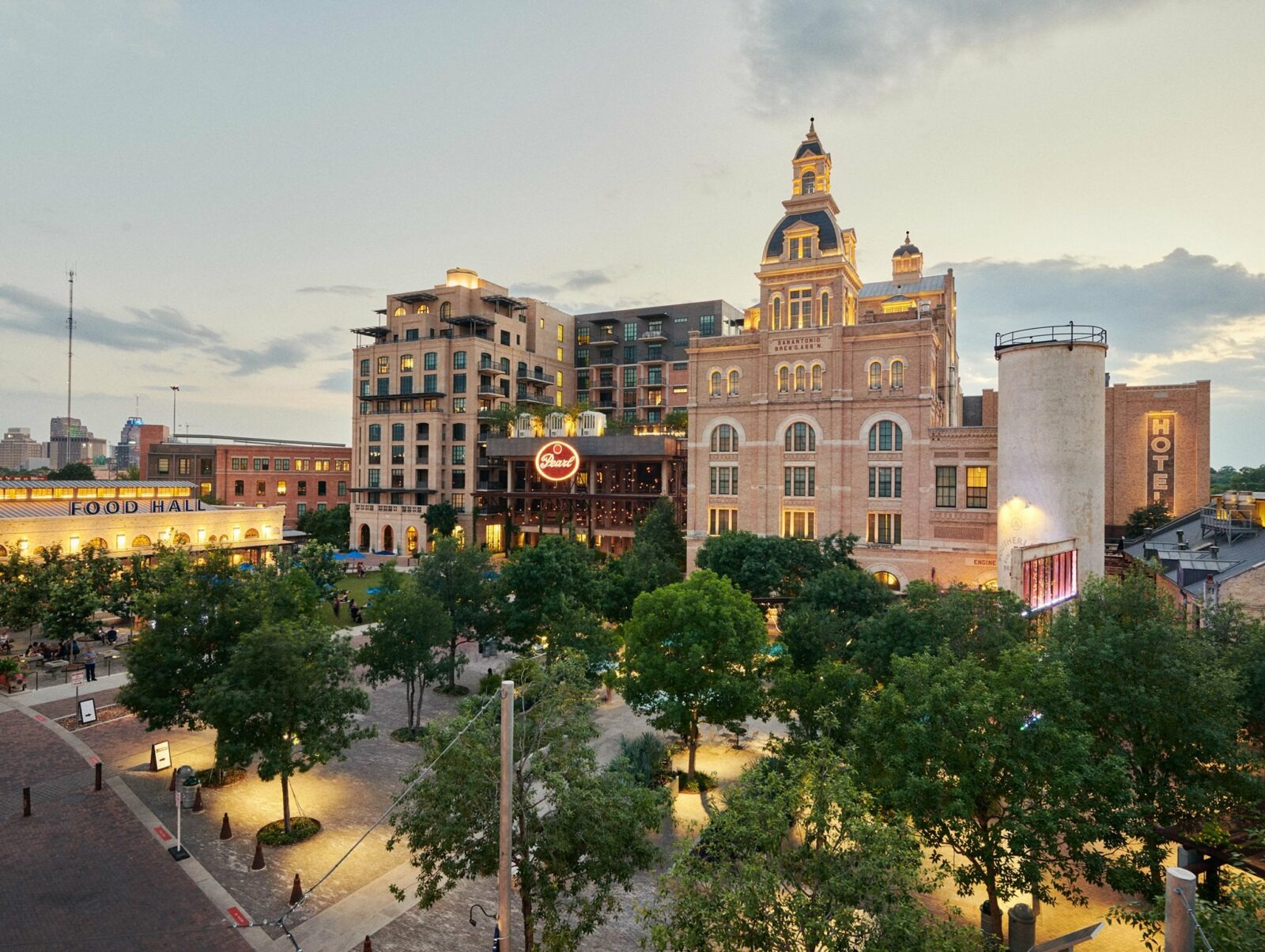
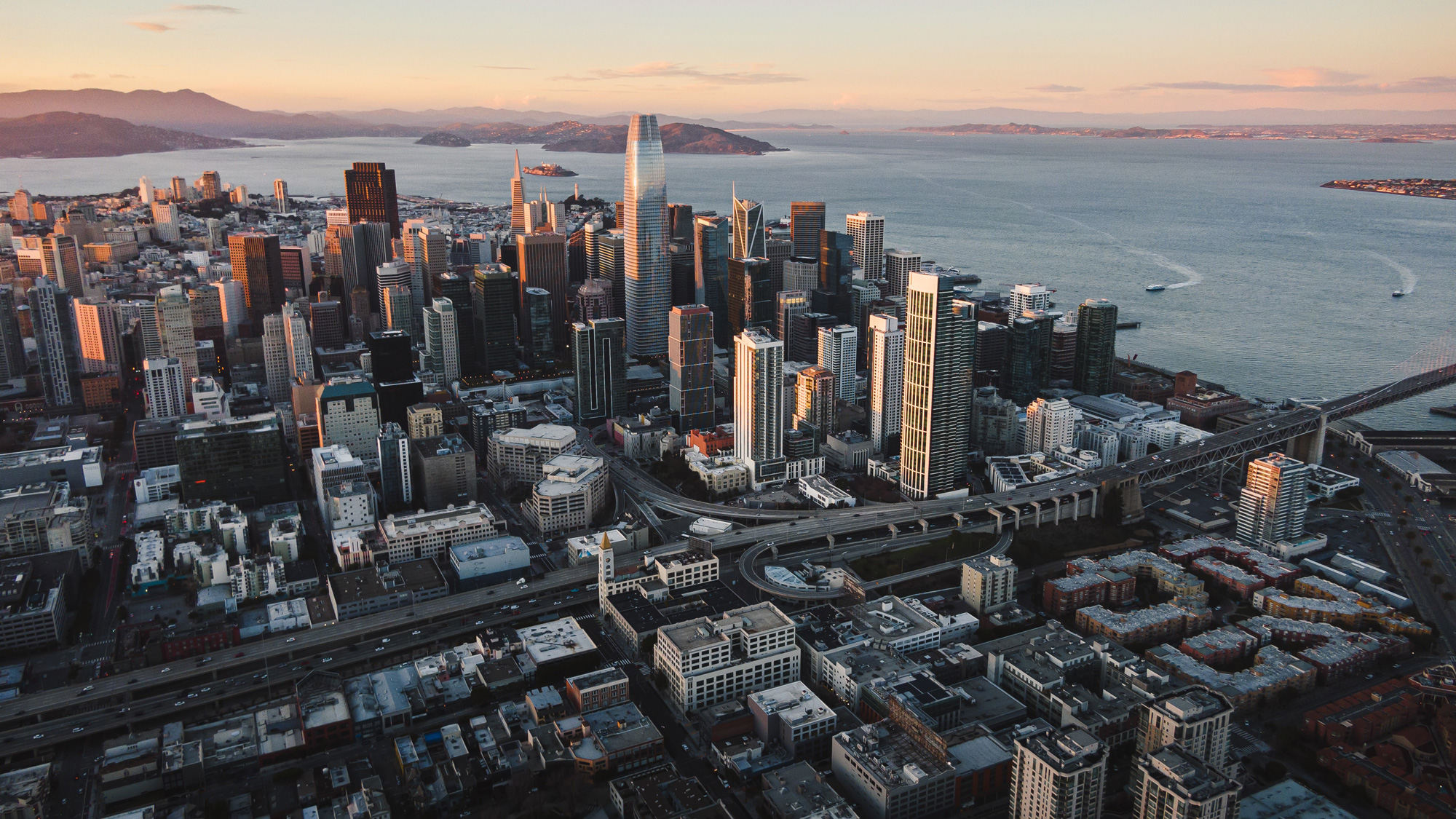
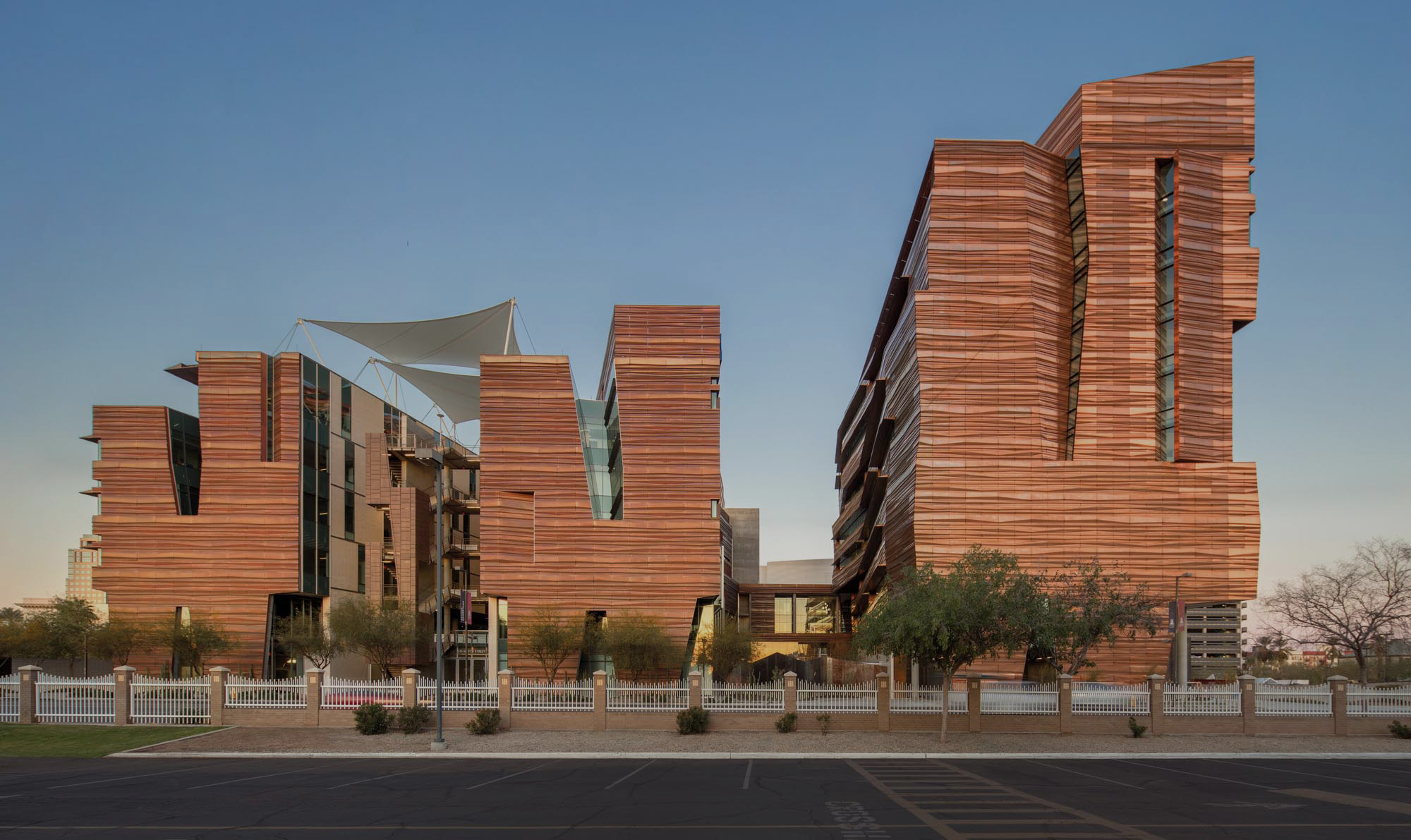
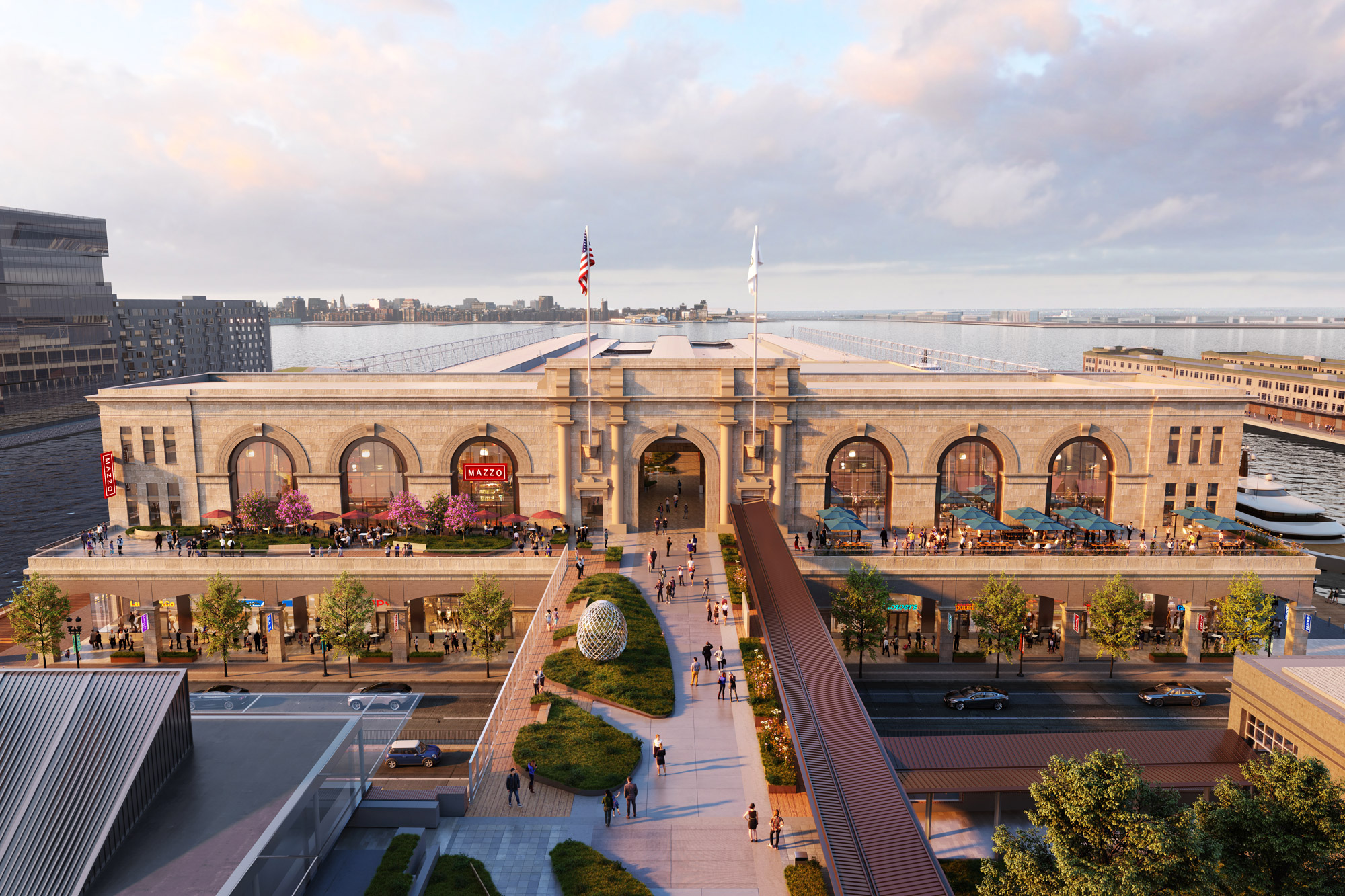
Platforms with a
sense of place.
Why Funkhaus
Design with purpose.
Architects, developers, and hospitality leaders are sophisticated visual clients. They know aesthetics matter, but they also know aesthetics alone cannot solve a communication problem.
Our approach begins with structure. We clarify audiences, ideas, relationships, and business goals before deciding how the experience should look or move.
We respect the work enough to let it breathe.
Frequently Asked Questions
The
practical
stuff.
We begin by understanding how the organization’s audiences, disciplines, properties, people, and projects relate to one another. An architecture firm may need to distinguish between architecture, interiors, and landscape, while a real estate or hospitality group may need to clarify relationships between developments, destinations, hotels, restaurants, and other experiences. We build the content architecture around those relationships so each part has room to communicate while contributing to one larger brand.
Discoverability informs both design and development. We use clean semantic code, clear content hierarchies, structured data where relevant, and page systems that help search engines and AI platforms understand relationships between projects, disciplines, properties, locations, amenities, and organizations. Our static front ends are built for speed, and we test performance, crawlability, metadata, and content visibility before launch. These foundations support traditional SEO as well as AEO and GEO.
The right portfolio structure depends on how prospective clients, guests, tenants, investors, recruits, and community members look for information. We create flexible content systems that can connect work by discipline, sector, location, property type, status, service, or another meaningful relationship. This gives visitors multiple ways to explore while making the portfolio easier for internal teams to manage.
Global architecture firms, real estate companies, and hospitality groups may need to serve different offices, markets, languages, and audiences through one digital platform. We can create regional experiences that prioritize relevant projects, properties, people, services, and contact information. For example, IP-based detection can suggest the appropriate region, while a visible selector keeps visitors in control of their experience.
Architecture, real estate, and hospitality organizations often compete for talent as actively as they compete for clients or guests. Rich storytelling around people, culture, process, values, career paths, and the experience of working within the organization can make recruiting a meaningful part of the website rather than a disconnected list of open positions.
Yes. We typically build static front ends and optimize how architectural photography, property imagery, video, maps, and project content are delivered. Responsive image sizing, modern file formats, intentional media loading, and established video platforms allow visually rich websites to remain fast and responsive. Performance is considered throughout design and development, not treated as a technical cleanup after launch.
We ground the website in strong typography, clear content architecture, and a flexible design system before introducing motion or emerging technology. Interaction should express the organization’s point of view and improve how people explore its work or places. This gives architecture firms, developers, and hospitality brands room to feel contemporary without building an experience that quickly feels dated.
For real estate developments, hospitality brands, mixed-use campuses, and cultural destinations, the website can support the experience before, during, and after a visit. Maps, events, amenities, tenant information, reservations, public art, history, editorial content, and digital wayfinding can make a place easier to understand and explore while expressing the larger story and character behind it.
Start the Conversation
Have an architecture or place based project in mind?
Tell us what you’re repositioning, unifying, launching, or inviting people to experience.